


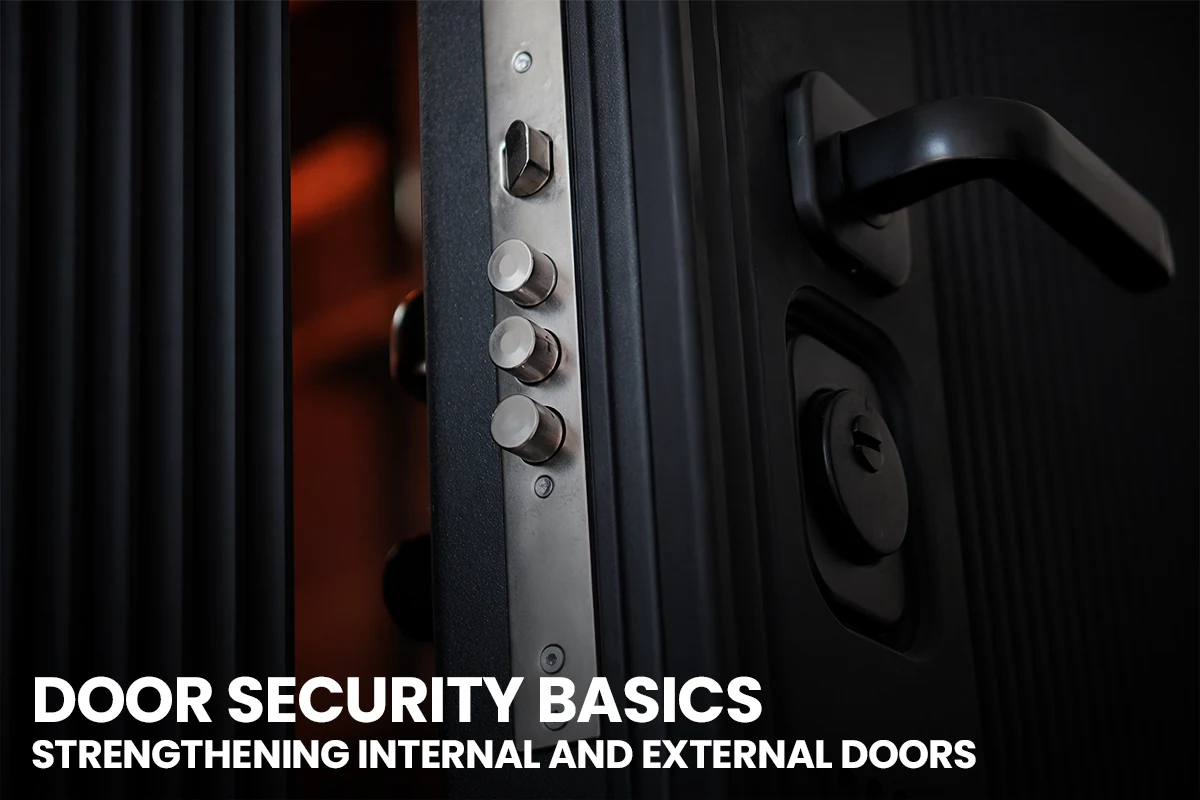
During 2024, approximately 500 burglary incidents occur daily, or nearly 9% (nine percent) of total residential dwellings are targeted for theft. Due to the age and design of many older homes, most have doors and frames that are vulnerable to rotting and/or decaying, which means that access into these types of buildings is readily available to thieves. By providing your home with a good quality front door that is secure from intruders would not only deter a would-be burglar from breaking into your home; but also contributing to maintaining a safe and secure environment for family and friends to spend time together.
Today, there are many "smart" security systems that utilize technological advances including wireless technology in order to provide an additional layer of security. But adding a second layer of mechanical security features (like high quality locks, strong frames, heavy duty bolts/screws/plates) will continue to be the best primary means of protecting your property.
This guide will provide you with numerous methods to enhance the security of your front door, bathroom door and bedroom door with specific examples of how they would work as well as showing you how to conduct retrofits on existing doors.
External Door Strengthening
Door Types and Vulnerabilities
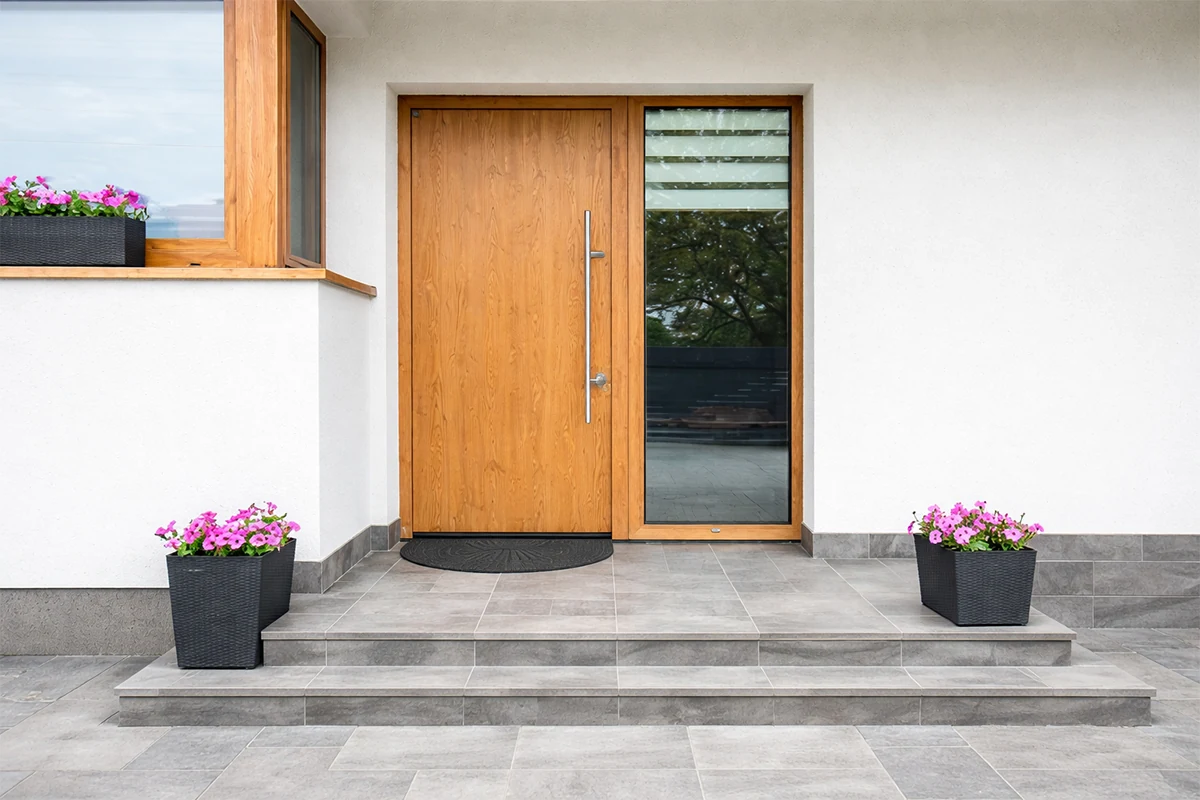
The front doors of homes have very poor resistance to breaking into through forceful means. Some types of external doors include timber, uPVC or composite door with multi-point locking, steel, or glazed entrance; all of which have differing weak points. Wooden doors are usually strong, but prone to rot or splitting. Repeated attacks by a burglar can often damage the lock area or frame. Check for any decay around the lock or hinge area and replace the door if seriously compromised.
uPVC and composite doors often rely on a multi-point latch/bolt system. Their weak spot is often the Euro-profile cylinder, as it can be snapped, and the frame, especially the plastic lining which can pull out of the frame. Using anti-snap cylinder locks as well as reinforcing the door frame can help provide additional security for your entry door. Although steel entry doors themselves tend to have good strength, the hinge and weld points may become loose over time. Some less-expensive steel entry doors are also made with thinner materials. Make sure the doors conform with British Standards and properly secure the glass panels.
Glass can also be a major weakness in glazed doors. If your door has glass or has adjacent windows, reinforce it using a laminate film or use tempered glass so that shards don’t fall out easily.
High Security Locking Systems
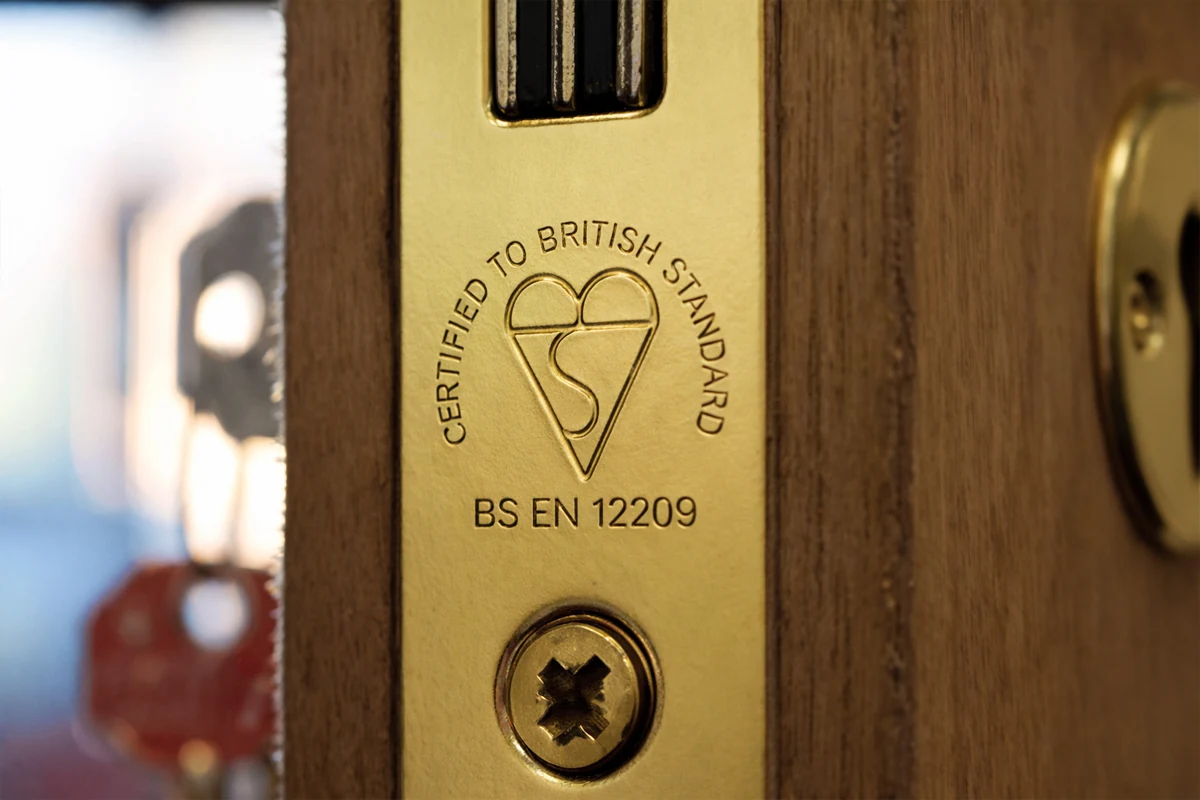
Fit certified, British standard locks on all external doors. The lock type you use on wooden doors should be a five-lever mortice deadlock/sashlock which is the traditional domestic door lock that is of a very high level of security. Composite or uPVC doors use multi-point mechanisms but you should ensure that the central euro cylinder is an anti-snap cylinder which will provide the best protection against snapping, drilling and picking.
Whenever possible, consider using the best quality locks and those which have been certified according to relevant standards (i.e., quality, durability). A lock that has passed BS EN 12209 has gone through rigorous testing with respect to its strength, durability and security, giving you confidence in both the materials and mechanisms of your lock. When installing a lock, make sure that the dead bolt/latch deadbolt extends fully into the frame (i.e. 20mm or more).
Upgrading Strike Plates and Long Screws
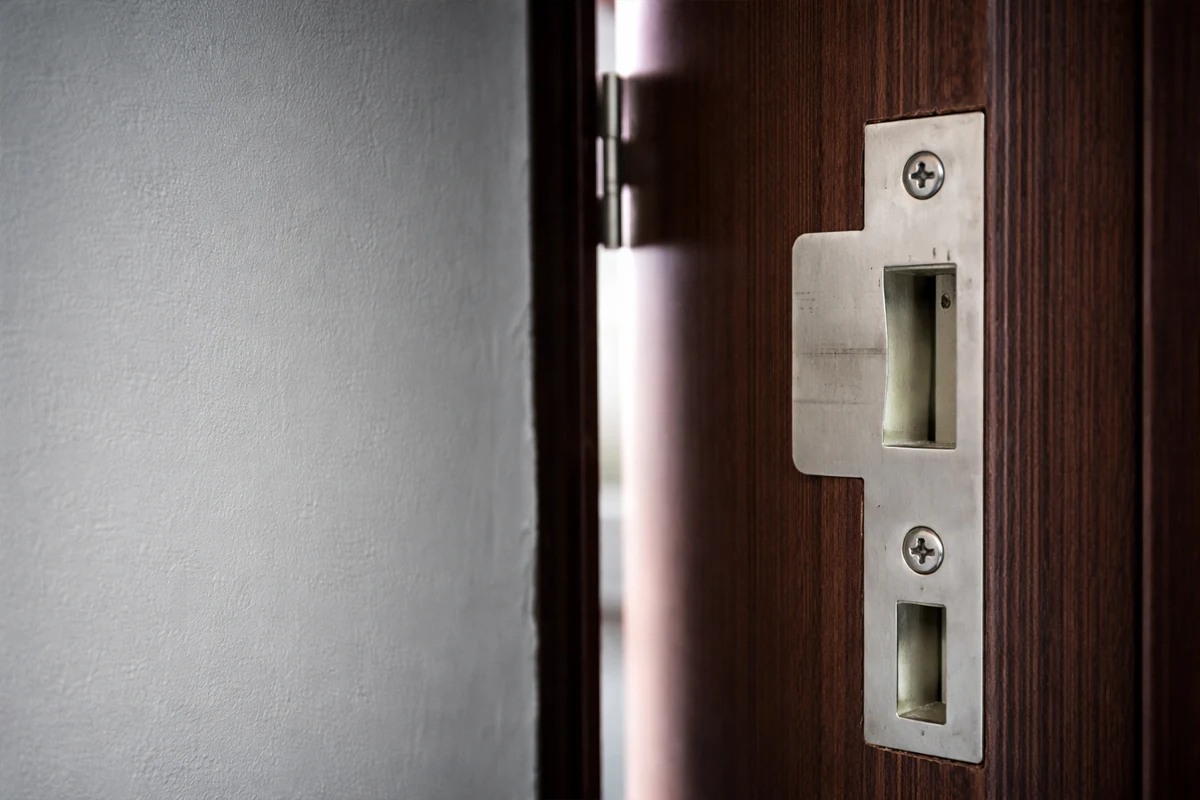
The metal piece near the door frame that the lock bolt fits into is called the strike plate, and it is a weak point that can be damaged with ease. We recommend upgrading to a reinforced strike plate using long screws (3-4 inches/75-100mm) that will attach to the studs behind the wall. Most of the screws that come with strike plates are only ½ or 1 inch long, which means they sit inside the mould of the door frame and will not hold up against any type of force. When you use 3-inch long screws through both the strike and the dead bolt plates, these screws will actually go into solid wood framing. Just as you have to replace short screws in each of the hinges with a long screw, this will keep the hinge(s) securely attached to the stud or header.
Reinforcing the Door Frames
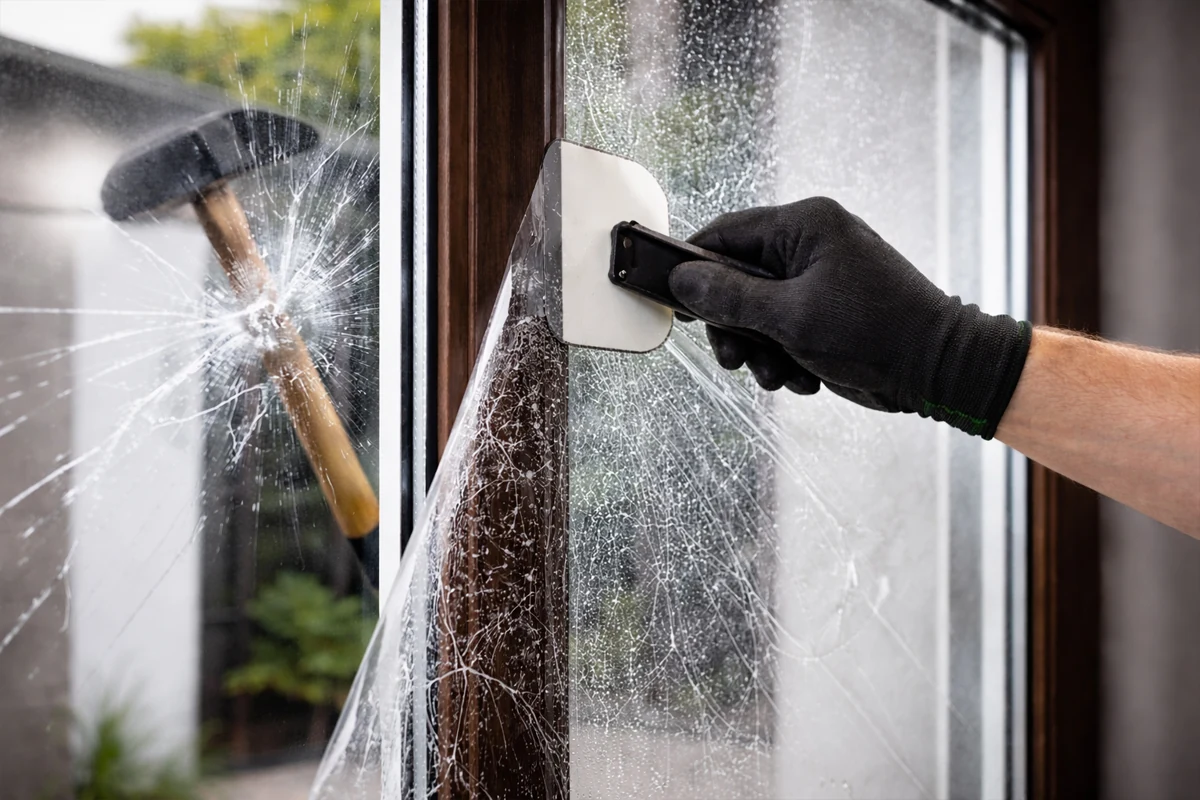
The presence of glazing in around your doors creates potential openings for intruders. Using security film or strengthening your glass panels by using either laminate or toughened glass makes your panels considerably more resistant to unauthorised access. If someone attempts to break into your home by breaking your window, they will find it very difficult because of the laminated layer between them and the window. We also recommend that you put a film or laminated glass on your window, which will look the same as regular glass yet be much more difficult for anyone to break through.
Additional Security
Door Viewers
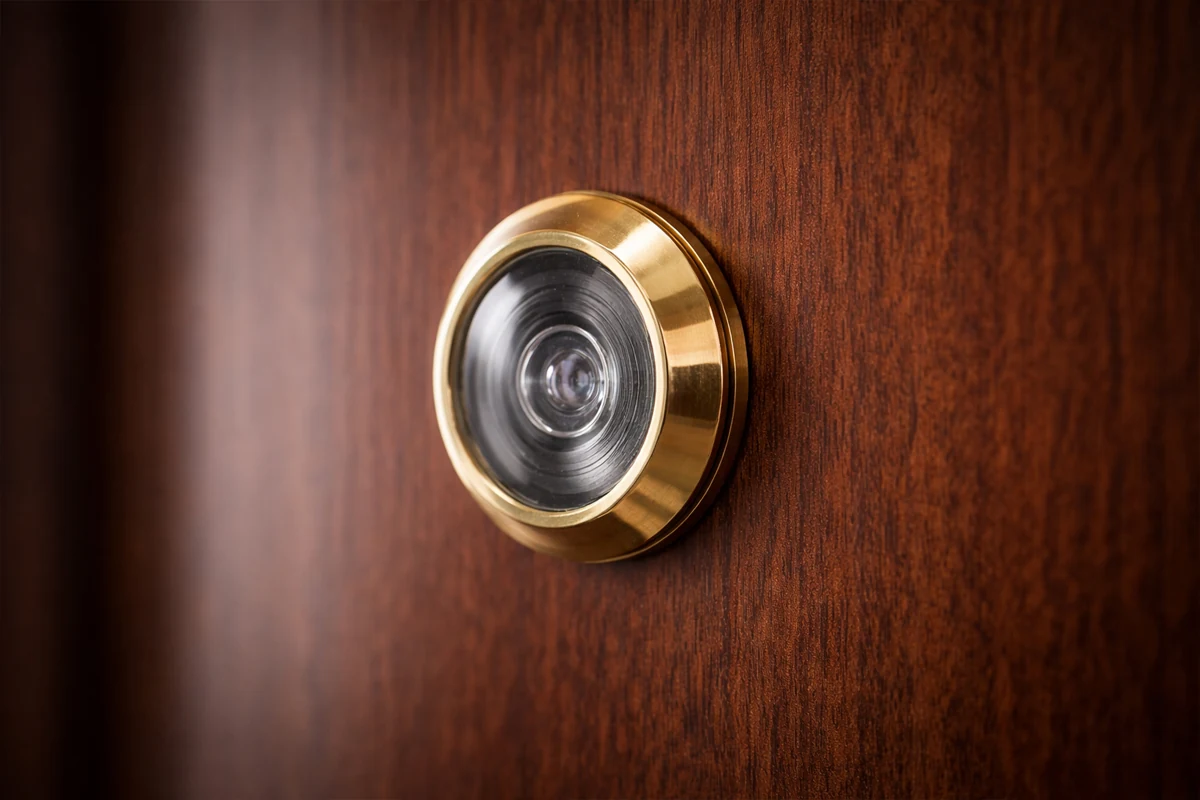
The installation of a wide-angle door viewer at your main entrance will allow you to see who is waiting in front of your door before you open it and let them in.
Door Chain/Limiter
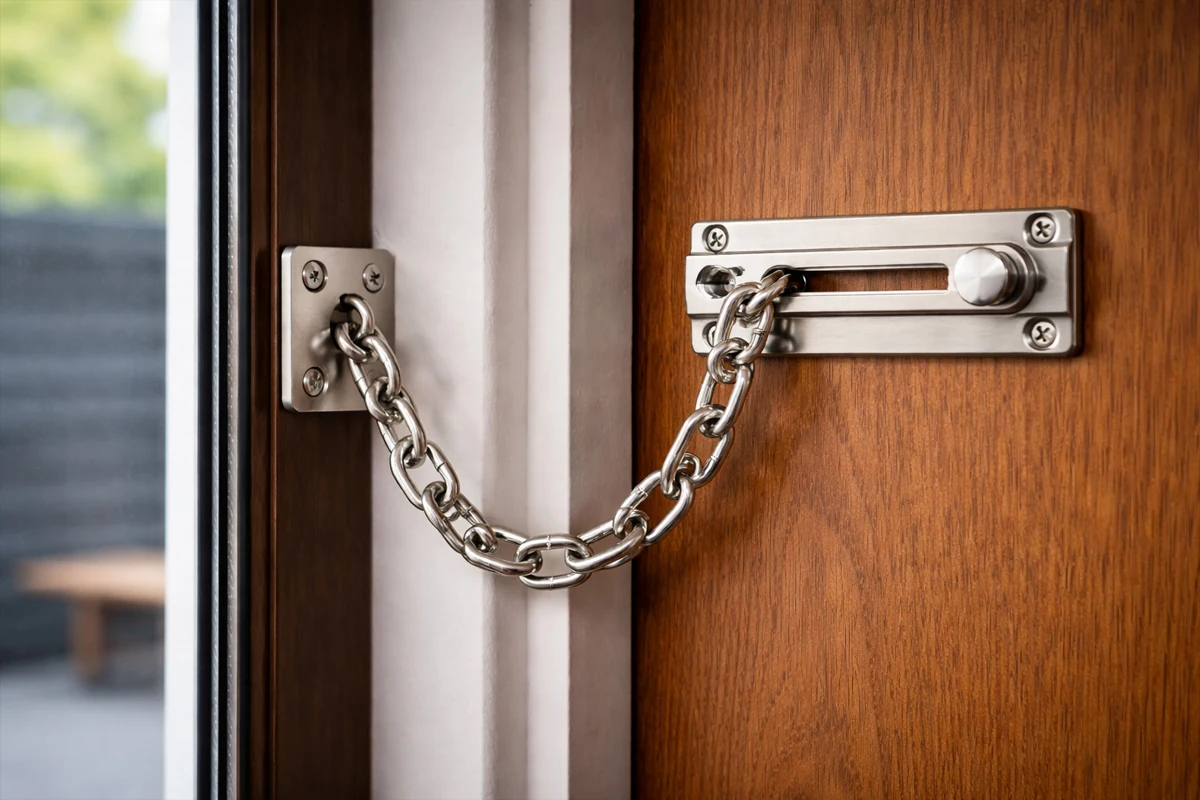
You may wish to install a security chain or hinge-mounted door limiter to your exterior doors. When the door is opened part way on the chain, you will be able to talk to the person who wants to come in without having opened the door.
Letterbox Guard: If you have a letterbox incorporated in your front door, you should install an internal guard or cage to secure it against the insertion of an object like a stick or hook through the letter box and into your home.
Secondary Locks
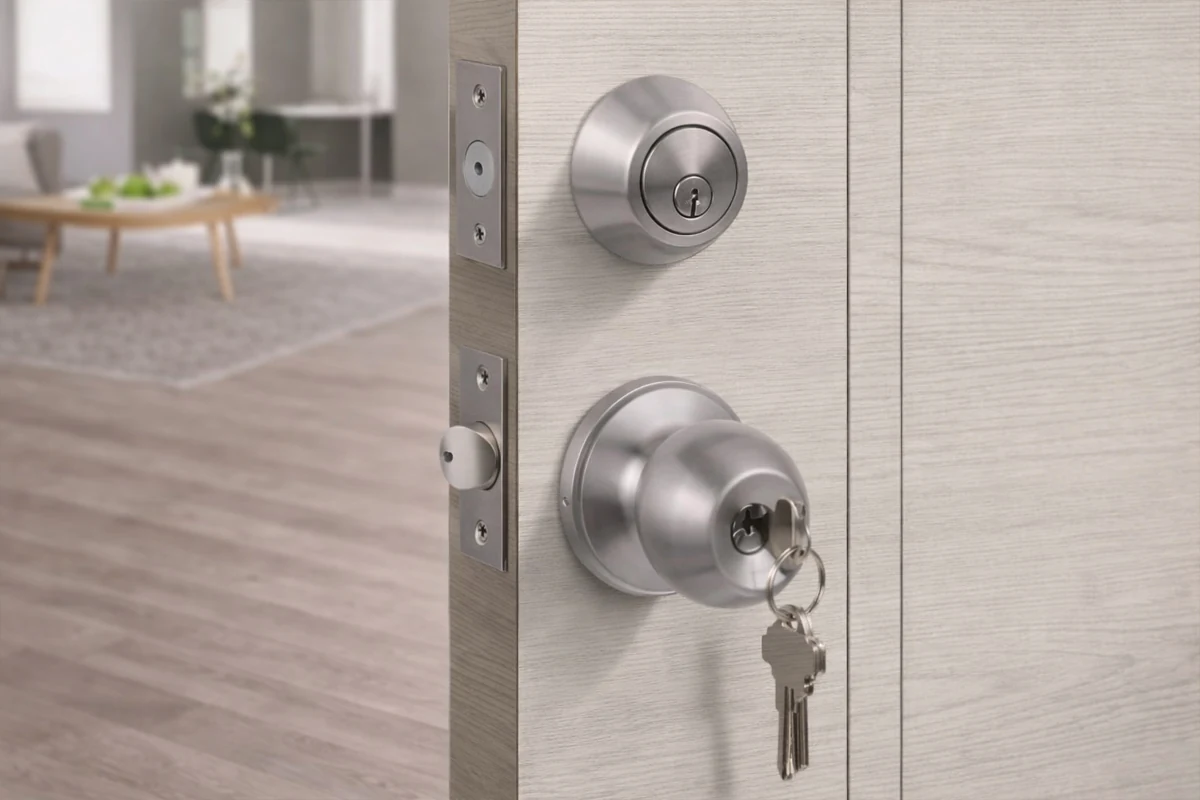
a burglar by using two different types of locks at different heights on the door. Many residences in the UK use a mortice lock at low position plus a double-swivel night latch at the upper lock position. Both locks provide additional security against the burglary, and their use is recommended when leave home or go to sleep.
Internal Door Strengthening
Internal Door Types
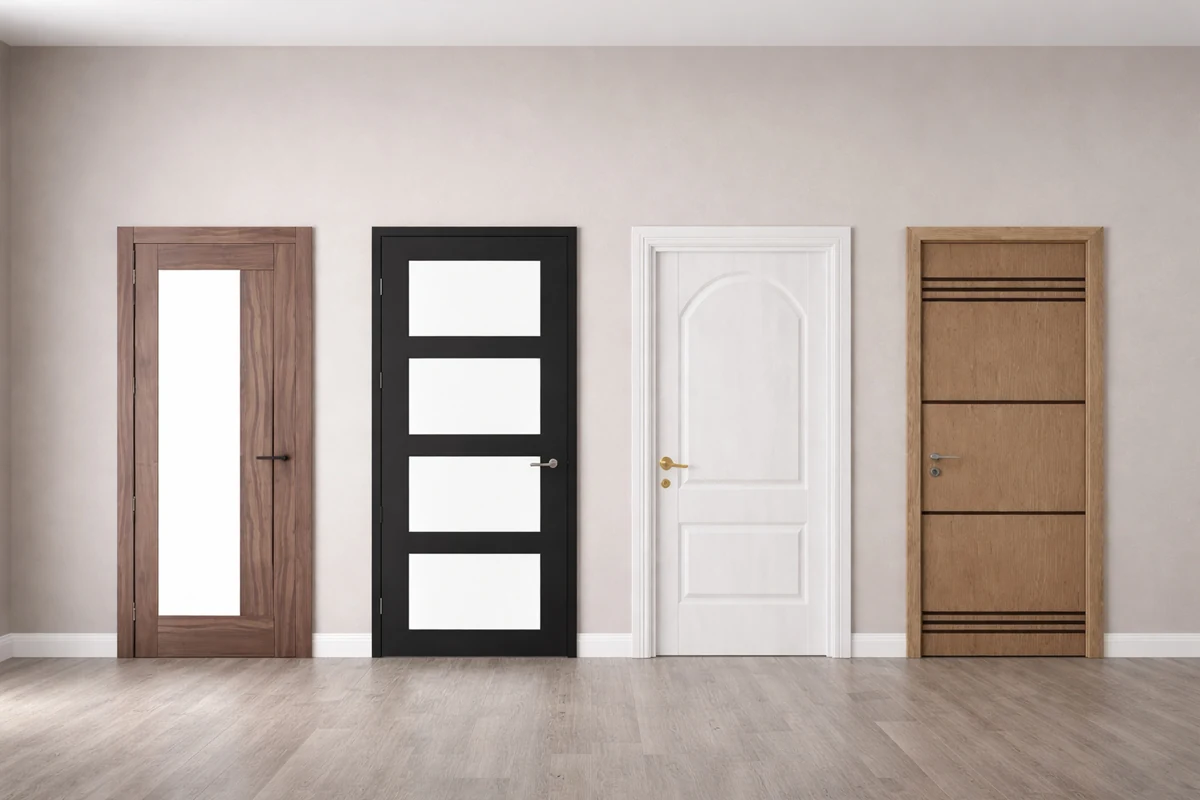
Internal doors include solid wood, hollow core (which are often composite or cheap panel doors), or hollow wood with frame veneer. Solid-core doors give more substance and sound insulation, while hollow-core doors weigh less and are easier to kick in and bust through. In general, if security is a concern, replace hollow-core doors with a solid core model. You do not need to replace internal doors in your house. Simply reinforce the edges of the doors and the frames instead of replacing them. Internal doors are intended to provide privacy, not high levels of security.
Privacy Locks vs Security Locks
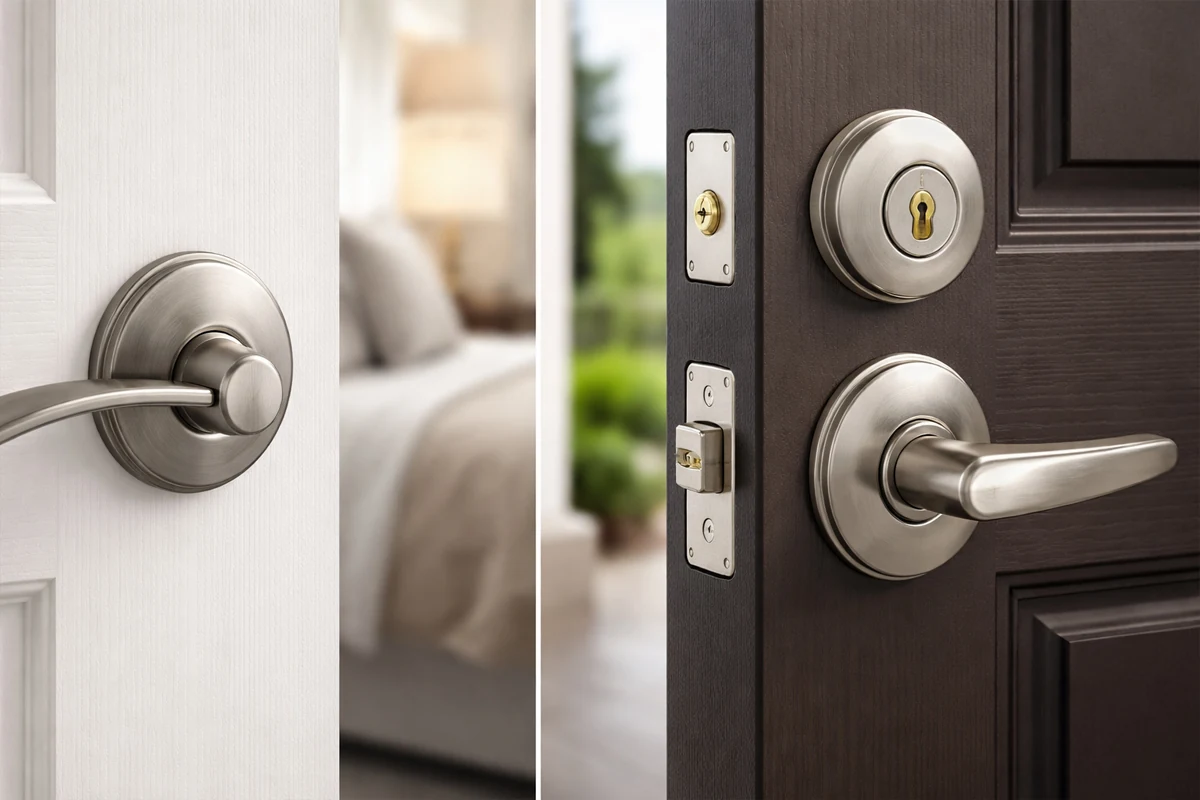
Most of the time, internal doors provide you with privacy rather than security. Generally, these doors are secured with a latch with an internal thumbturn or snib to lock the door and an external quick-release slot or coin turn to unlock from outside. Bathroom locks, for example, typically will have an internal thumbturn that can be used to lock the door from inside the bathroom and an external slot where a coin can be inserted to unlock the door if a small child locks himself or herself in the bathroom. When choosing your locks, always select those that are rated for internal use only - 3 lever mortice or tubular latch locks are ideal. High security deadlocks should never be used on bathroom doors as these generally require a key to unlock from both the inside and outside of the door, which would easily prevent quick access if there were ever an emergency.
Similar rules apply for bedroom doors. Privacy mortice locks or push-button lever sets are quite common in family homes. In a shared or rented properties, landlords often use rim-cylinder nightlatches with a key outside and a knob inside, or euro cylinders with thumbturns, so tenants can operate the lock from the inside without a key.
Reinforcing Internal Door Frames
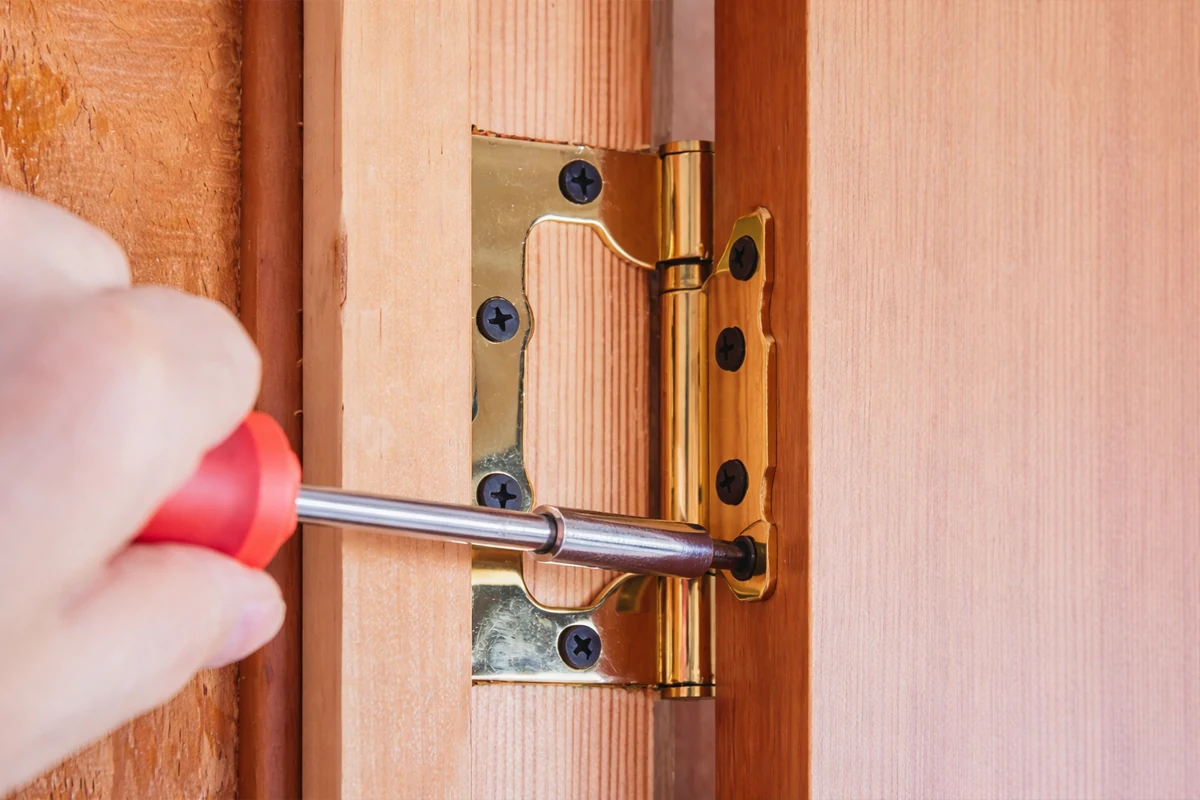
Most domestic internal frames are simple timber and not built for high security. You can only use reinforcement for the internal frame of a door if it's being used heavily or when the frame is weak. When reinforcing an internal frame, follow the same methods used for external doors: long hinge/strikes and door latches with strong backing, and possibly use metal angle brackets at corners. When installing doors for use in common areas, there should be a minimum of three hinges on all doors, and the screws used on the hinge and backings for all the doors should be good quality.
Safety Considerations
Make sure you balance safety with security on internal doors.
Emergency Evacuation
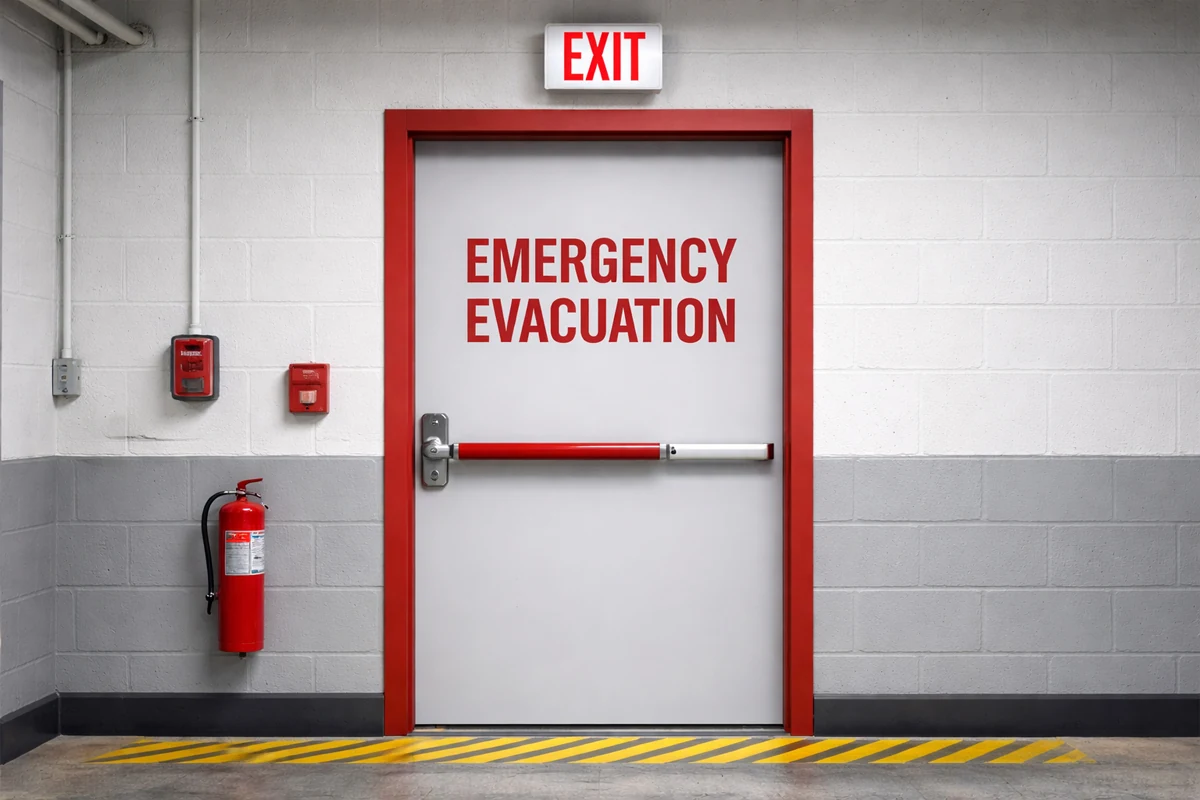
Locks for toilets should always be unlockable from outside using a common tool such as a coin or screwdriver so that tenants or children can exit the premises quickly in case of a fire or an accident. Never secure a doorway using high level of security hardware.
Fire Safety – Doors along exit routes must be properly rated for fire, self-closing and should have locks that will allow exit. In the case of bedrooms, doors should not be mortice locked on to exit; locks should be tactile or key pad locks that can unlock without a key.
Noise Reduction / Draught Proofing
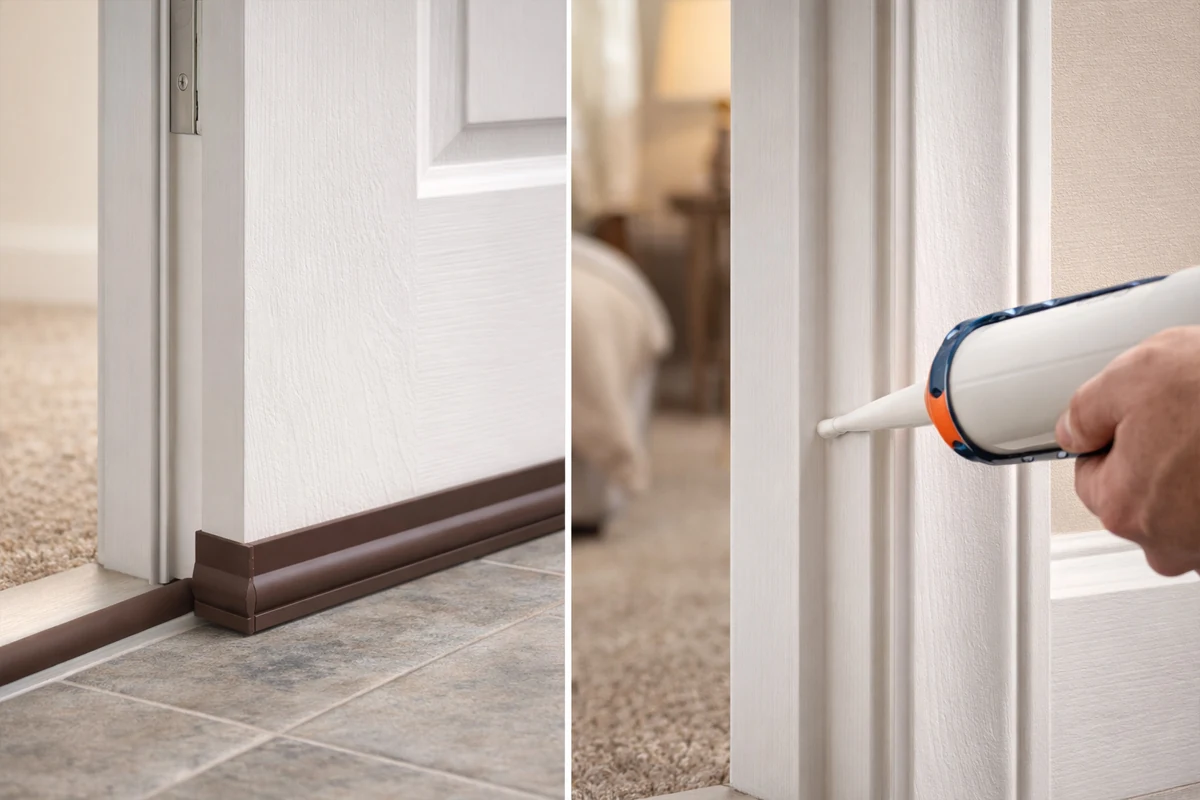
Additionally, to enhance comfort in the home, repairing internal doors can assist with reducing noise from one room to another and blocking draughts. This type of seal does not change the level of security, but will make the property more comfortable to live in, as well as give additional stability to the edges of the frame.
DIY Reinforcement Techniques
There are several types of reinforcement that can be done by a DIY homeowner or by a contractor with basic tools:
Required Tools and Materials
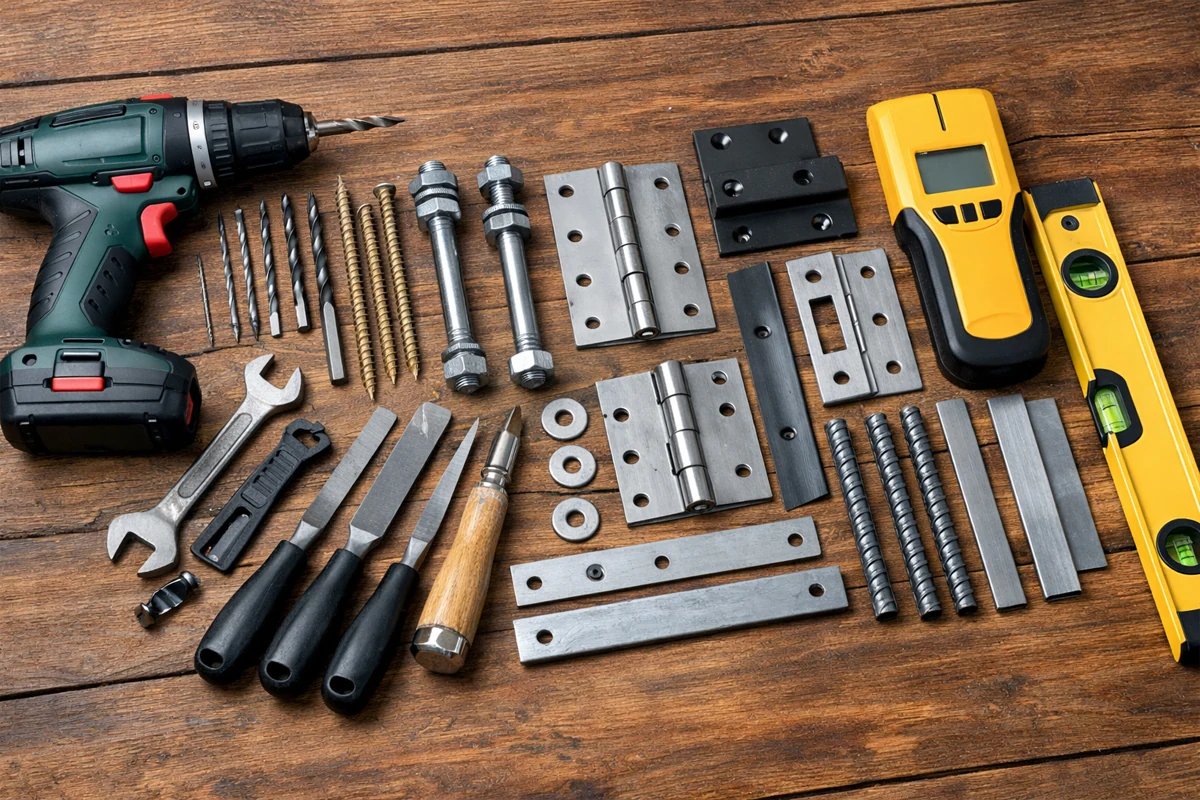
You will need to use a power drill and drill bits, spanner, chisel files and long screws(75 to 100mm), hinge bolt(s) and heavy-duty striker plates and steel reinforcement plates or, steel reinforcement bars. You also will need a stud finder and a level in order to install the hardware correctly.
Upgrading Strike Plates
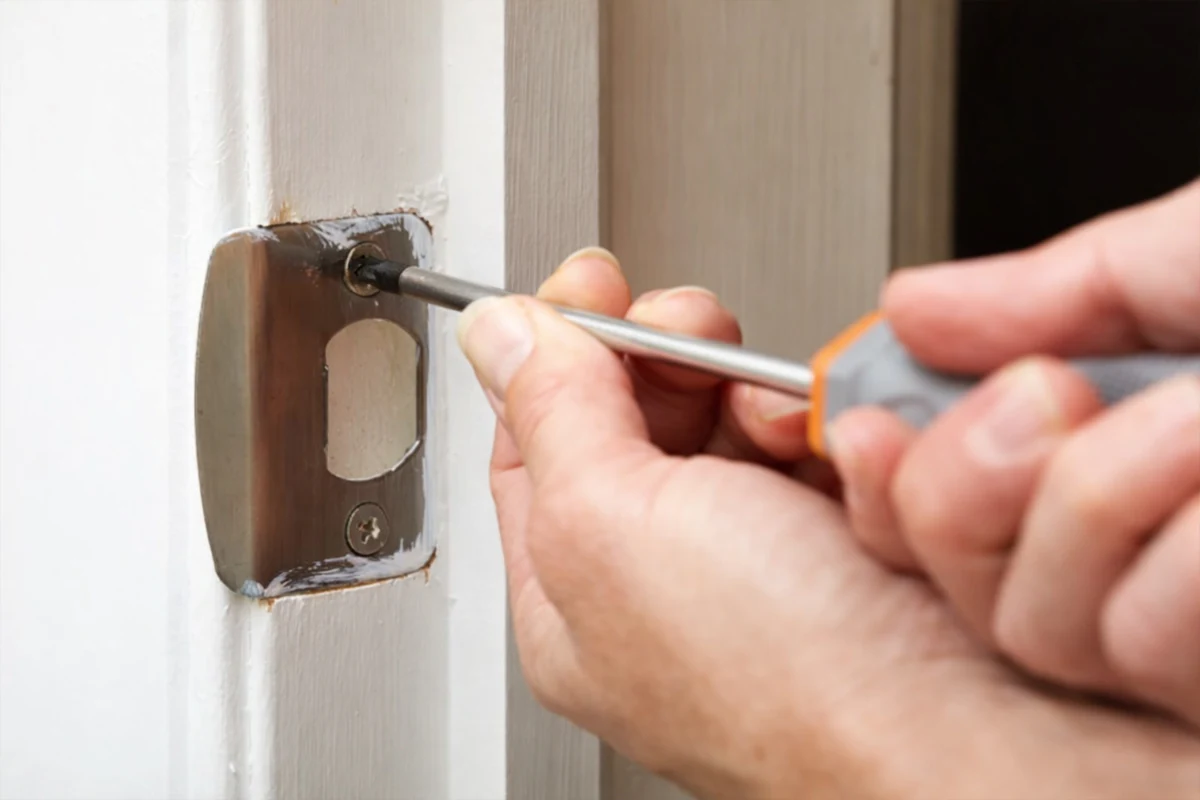
Pre-drill the screw holes in the door frame to prevent splitting of the wood. Next install the new strike plate using three 3" (75 mm+) stainless steel wood screws, making sure they go through the door frame and into the wall stud (do this for both the latch strike and deadbolt strike). Lastly, check that when the bolt of the lock enters the strike plate there is no gap.
Installing hinge bolts and long screws
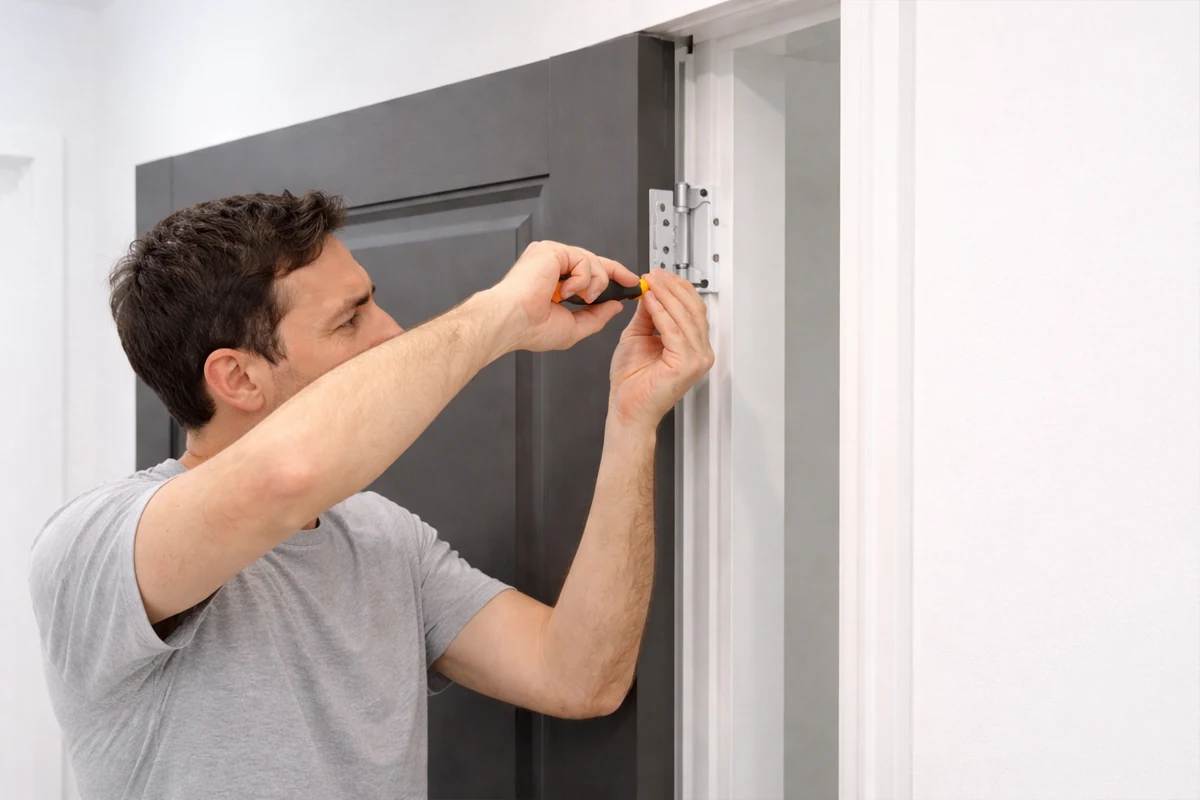
For your outward opening exterior door, you will need to drill two holes in each of the top and bottom door hinges and install hinge bolts according to the installation instructions provided by the manufacturer. Hinge bolts typically slide into the hole and tighten by turning them with the door open. You will also want to remove one screw from each leaf of the hinge and replace it with a construction screw that is 3" long reaching into the wall frame; this will provide additional strength to your hinge. If a door rattles on its hinges, consider installing 2-3 hinge bolts or security hinges.
Fixing loose doors or frames
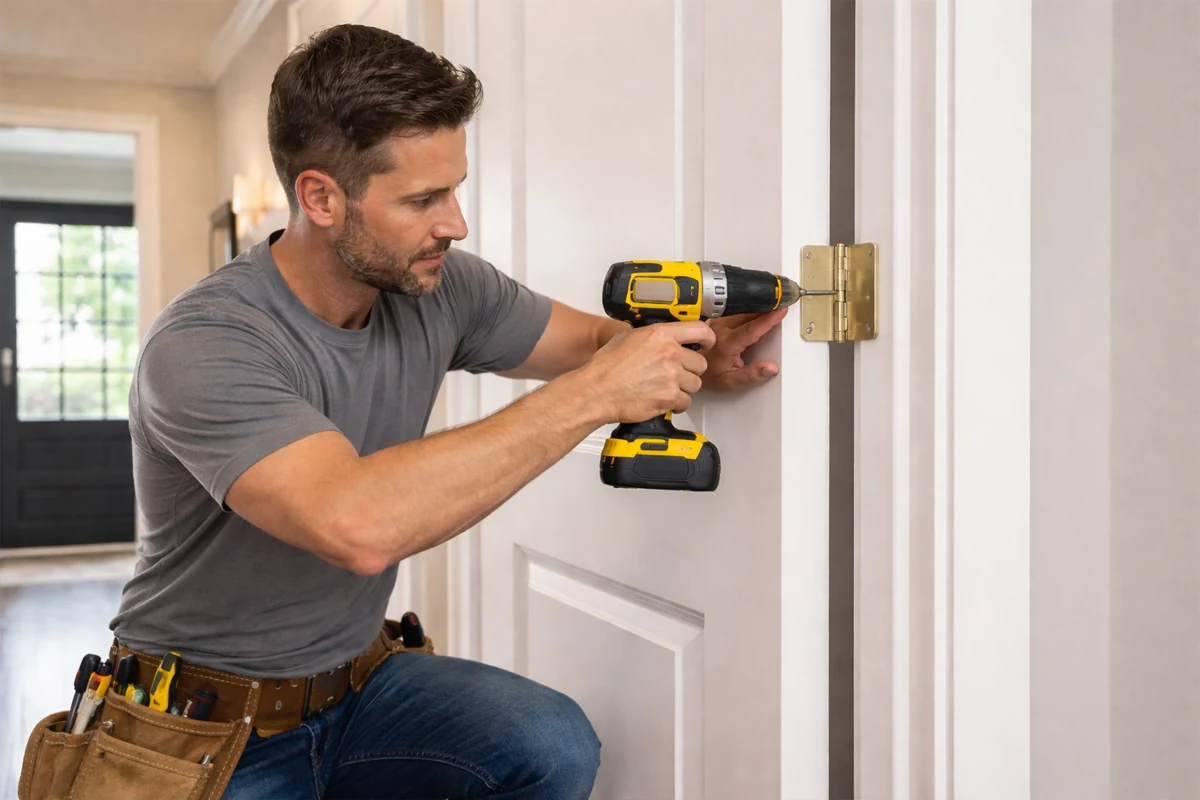
If door stick or frames have open gaps, use wooden shims or compressible seal to tighten around the frame. For split or rotten areas, use epoxy wood filler or fit a metal threshold plate. If the door is sagging and a lock or latch no longer meets up with its strike plate, adjust the strike position; enlarge the cut-out or fit a swing-out strike box so the bolt can fully latch. Always test the door after adjustment to make sure it closes and latches smoothly without using any force.
Reinforcing doors properly does not come easy nor quickly. But this has proven to be very reliable in deterring burglars. If you follow our guidelines for building a reinforced door, you will be able to create a door that will resist being kicked in and will also comply with the UK building codes regarding door construction.
Related Articles
Category
Doors & WindowsPosted On
11th January 2025
Category
Doors & WindowsPosted On
11th March 2026


