


Laminate floors look amazing in every home. They are a cost-effective alternative to hardwood, but need special care when cleaning. Unlike solid wood, laminate has a protective surface coating over a fiberboard core, and excess moisture or harsh cleaning methods can ruin this layer.
You also need to keep in mind that laminate planks cannot be refinished if damaged, so it's important to clean it gently. In this guide, we will go through natural cleaning solutions, an effective cleaning routine, deep cleaning methods as well as things to do and not to do while maintaining your laminate floors.
Natural Cleaning Solutions
Let's first talk about what we should clean our floors with before we get into some great options. Keep in mind your proportions of the cleaning agents when making the following solutions; using too much water or too many acidic products could be harmful instead of being helpful for your laminate flooring.
White Vinegar + Water
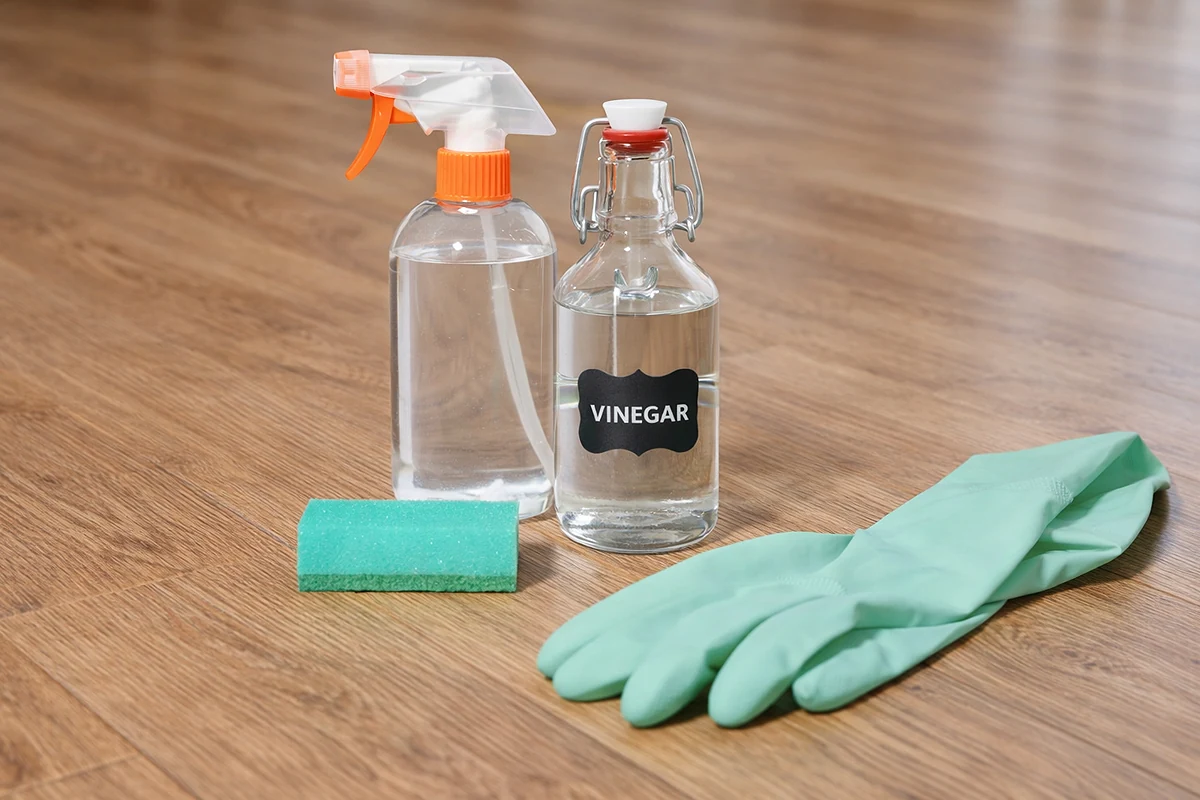
If you want to create your own cleaning solutions and stay environmentally friendly, this mix of vinegar and water will clean up most messes. To clean up some grease stains, create a solution of 3 parts water to 1 part white vinegar, and then spray on a cleaning rag/microfibre cloth (do not spray solution directly onto your laminate floor, use as a liquid on cloth) and clean as you typically would by scrubbing it off with your cloth. The good news is that the smell of vinegar will evaporate once the solution dries and it will, also, help to eliminate any bad odours as a result of the spilled item once it has dried
Dish Soap + Water
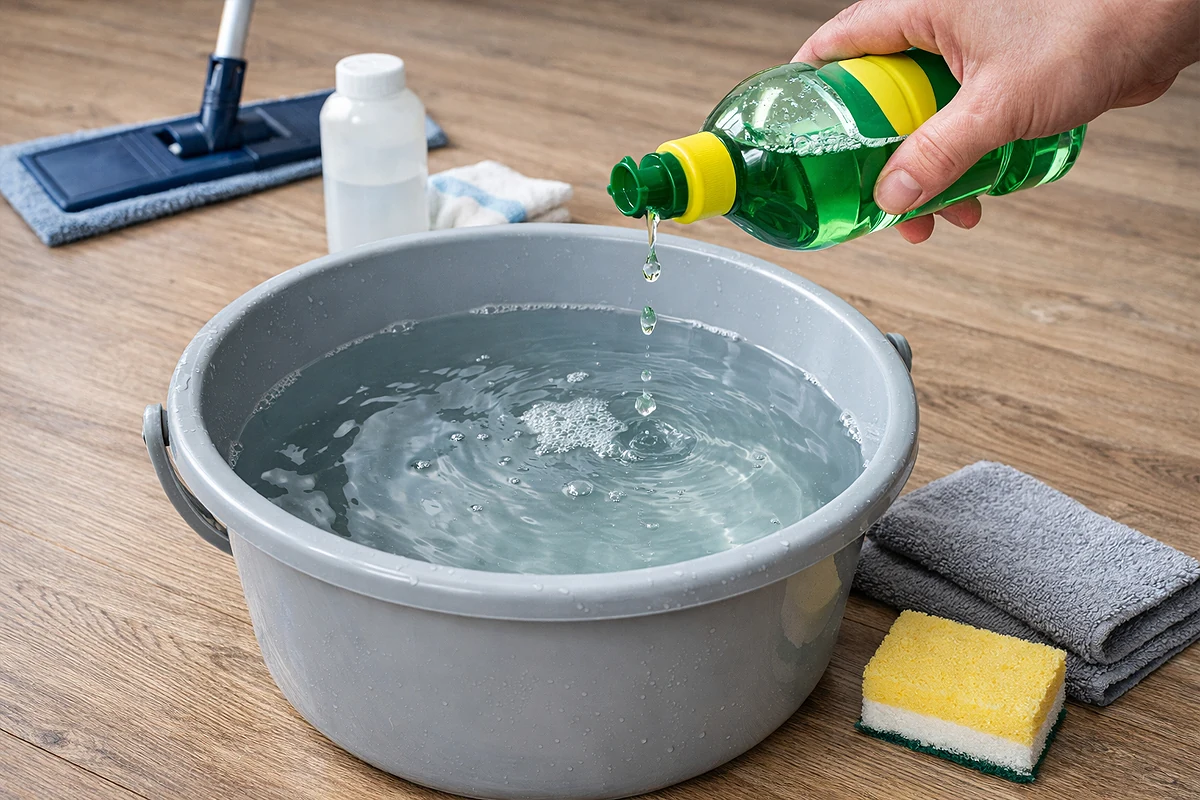
Use this mixture to clean greasy floors. Just dissolve 2-3 drops of mild dish soap in around 4 litres of water. This solution breaks down grime and doesn't leave any residue either. Make sure not to add too much dish soap, though, as it may leave streaks that attracts dirt, making your floors even dirtier than before.
Rubbing Alcohol + Water
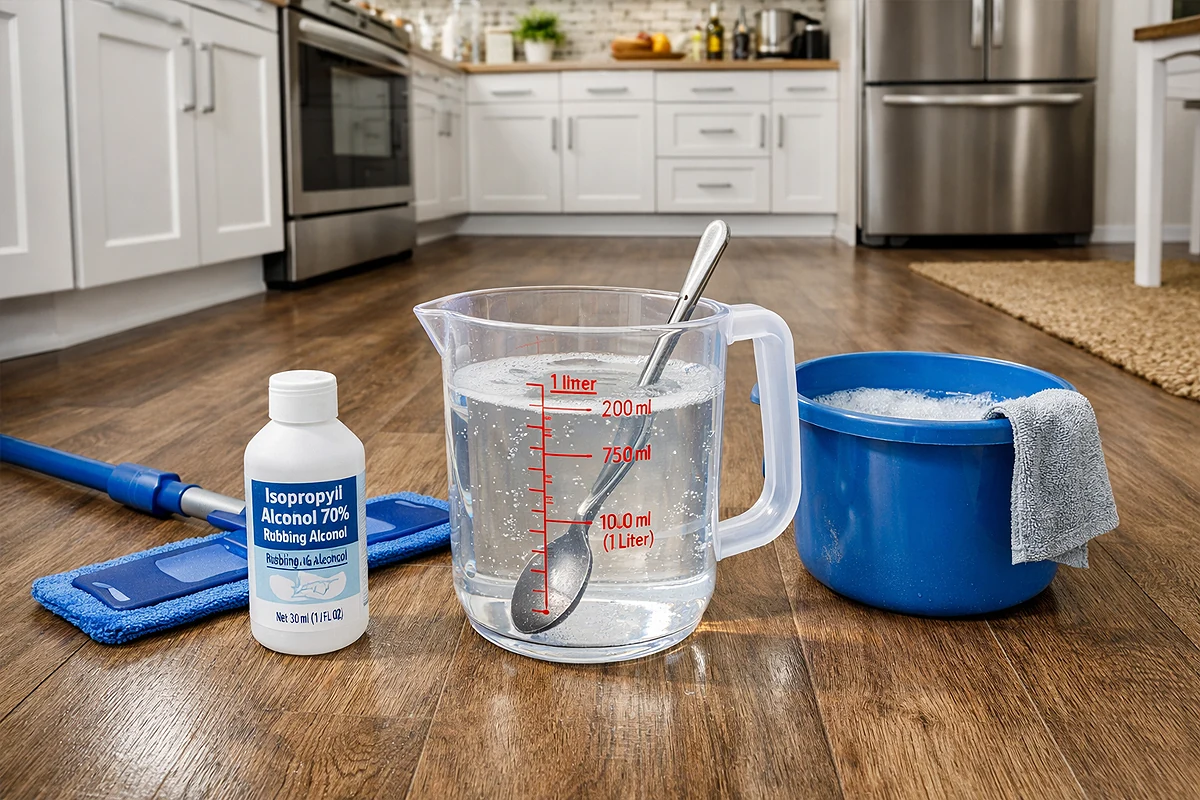
To clean your laminate floors in kitchens and high-traffic areas, combine 30ml of rubbing alcohol (isopropyl alcohol) with a litre of water. This mixture resolves sticky residue with ease and evaporates quickly, leaving nothing behind.
Lemon Juice + Water
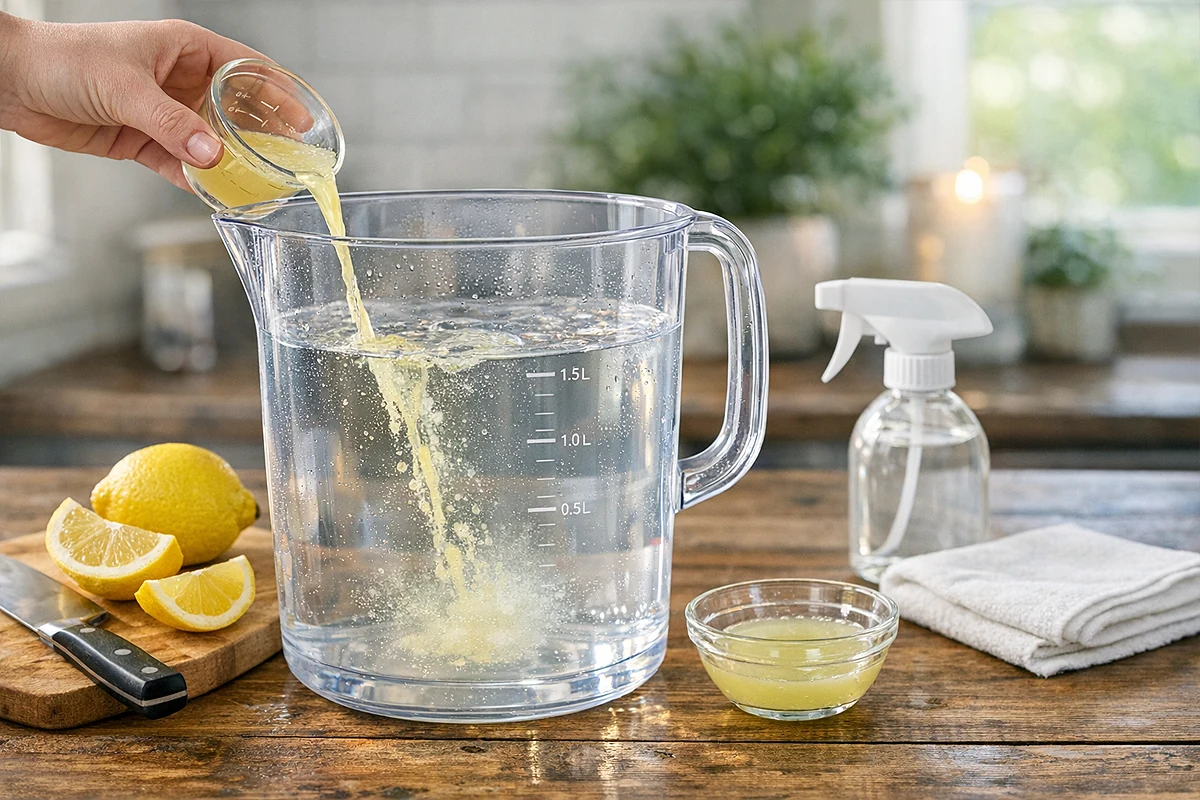
Mix 30-40ml of lemon juice with 1.5l of water to get a light cleaning solution. It also acts as a natural deodoriser, spreading fragrance in your home whenever you use this mixture for light cleaning.
Whatever solution you choose to clean with, never pour water or liquid cleaner directly on the laminate. Instead, spray your mop or a cloth, or spray the floor lightly in sections. This would make sure no liquid from enter the seams. Make sure not to use traditional wet mops or string mops that slop water around.
Spot Cleaning Spills and Stains
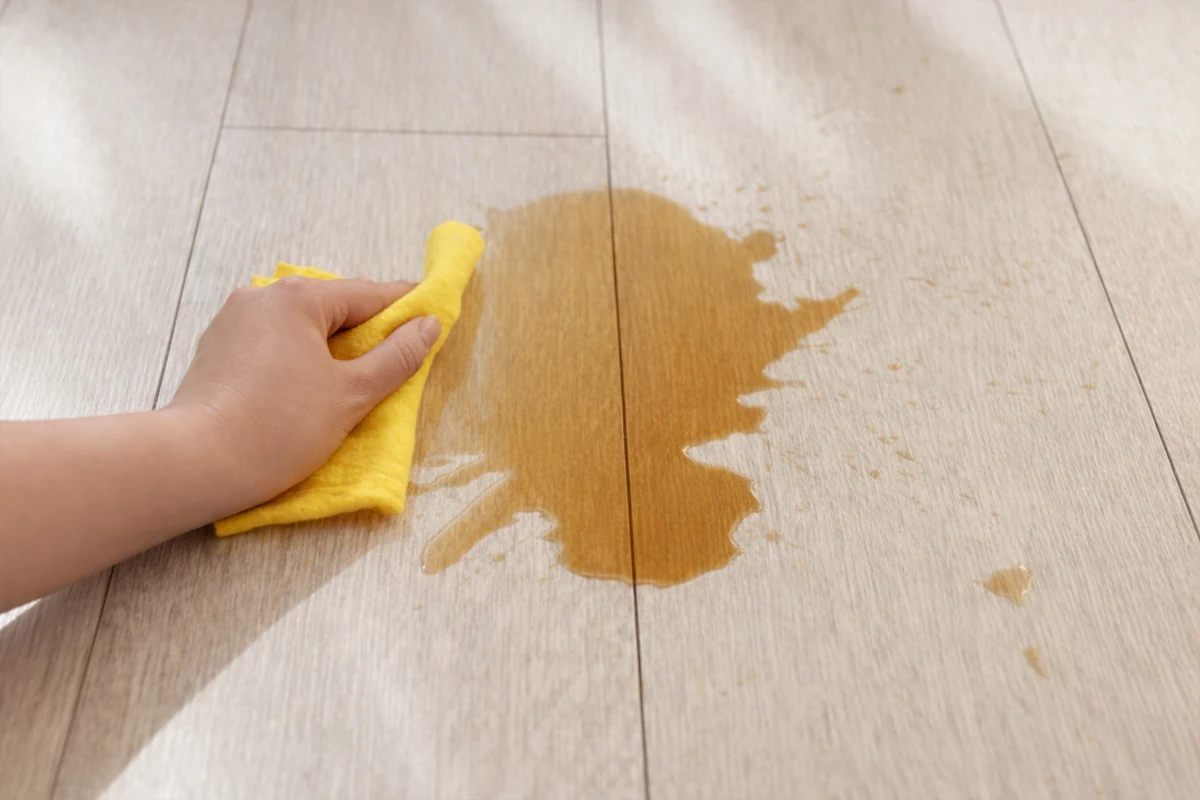
Spills do happen frequently. However, if you attend to them right away, the spill will generally not stain the floor or cause any damage. Here is a list of common spills and stains you can spot clean from laminate floors.
General Spills For all general spills, if any of the liquid has spilled on your floor you should immediately use a dry paper towel or cloth to blot the area. You should never rub the area as it will only spread the liquid around. If the spilled liquid is sticky, such as soft drink or jam, then you can use a slightly dampened microfibre cloth to gently loosen the sticky material off the surface of the floor. Dry the affected area immediately with a second dry cloth. Remember, never allow liquid to sit and do not use soaking wet rags to clean laminate floors.
Stubborn Dirt or Scuff Marks Sometimes a basic pencil eraser can be used to erase scuff marks that are caused by shoes or other footwear. Dried dirt, such as a muddy footprint can be loosened with a damp cloth by allowing the damp cloth to sit on top of the dried dirt for a minute before removing the cloth. Please avoid aggressive scrubbing, as this will scratch the surface of the laminate floor.
Grease or Candle Wax/Gum Greaselike stains or candle wax (or gum) from greasy or oily areas are better removed by freezing it, rather than scraping it off; this makes them hard and brittle to remove. Use an ice pack or an ice cube bag to freeze it, then scrape the area with something that will not gouge the floor such as a plastic scraper or plastic credit card. After you have scraped the area, clean with a damp (but not wet) cloth to remove any residue, then dry the area.
Ink, Paint or Coloured Stains Ink, paint, or other colour stains will generally require some sort of solvent to remove them; there are many good solvents available for removing ink or paint from laminate. One method for removing ink/paint stains is to apply some rubbing alcohol onto a clean white cloth, rubbing the stain until the colour is transferred to the cloth, and then wiping the area with a damp cloth to remove any remaining solvent, before drying the area completely and quickly. Solvents should also be applied in small amounts and should be removed from the floor as soon as possible to prevent damage to the laminate finish.
Routine Cleaning
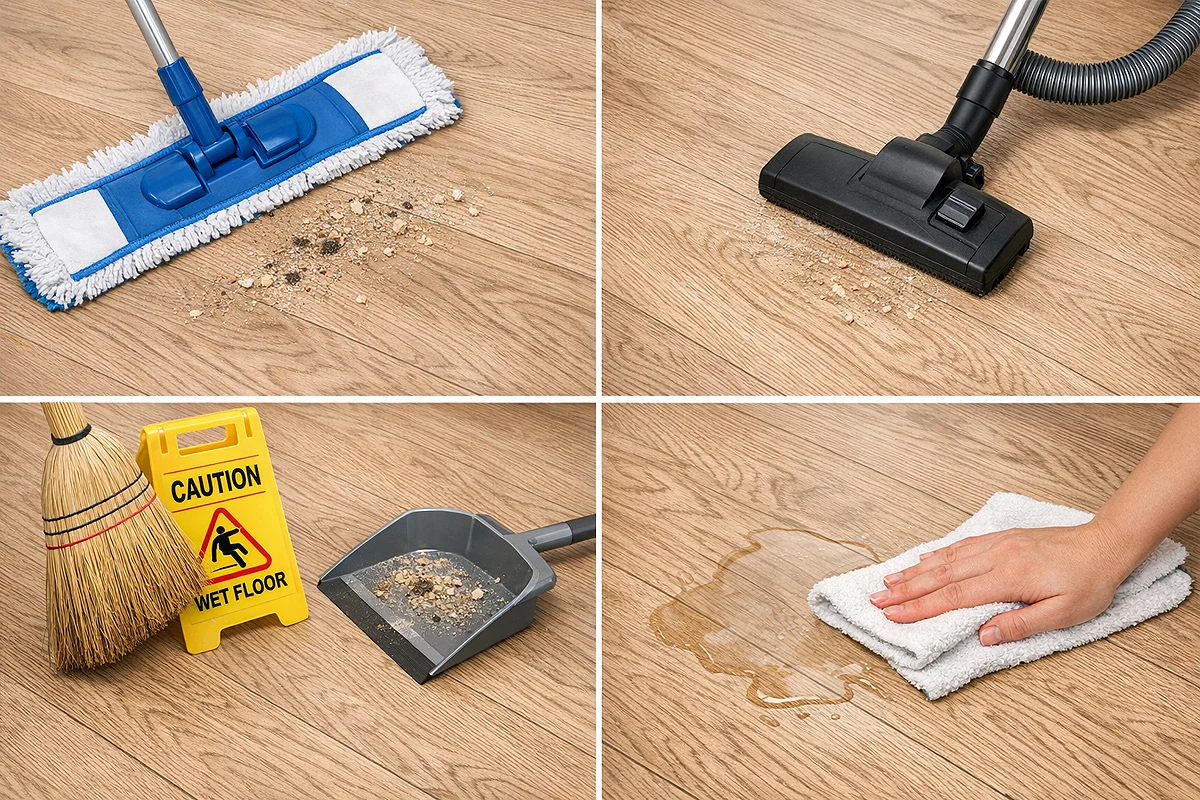
Regular maintenance will show off the best appearance of your laminate and protect the surface from getting scratched caused by grit build-up. The routine cleaning schedule will depend on usage and traffic; at home, generally a thorough cleaning is sufficient once a week while commercial and high traffic areas may require daily attention.
To keep your laminate clean, you will want to use a broom with soft bristles or a dry microfiber mop to wipe the dust away. Dust, grit and dirt will scratch the finish of your laminate like very fine sandpaper, so frequent sweeping is very important. In office or retail settings, you can also use a vacuum cleaner with a "hard floor" setting for doing all the above. Using a soft brush attachment on your vacuum cleaner for picking up fine dust will be the best choice to safely remove the dust without scratching the laminate floor.
Cleaning away dust on a regular basis as well as cleaning up spills immediately will prevent scratches and swelling on your laminate floors. A few minutes of preventive maintenance on a daily or weekly basis can save you big in regards to cleaning your laminate floors later down the road.
Deep Cleaning
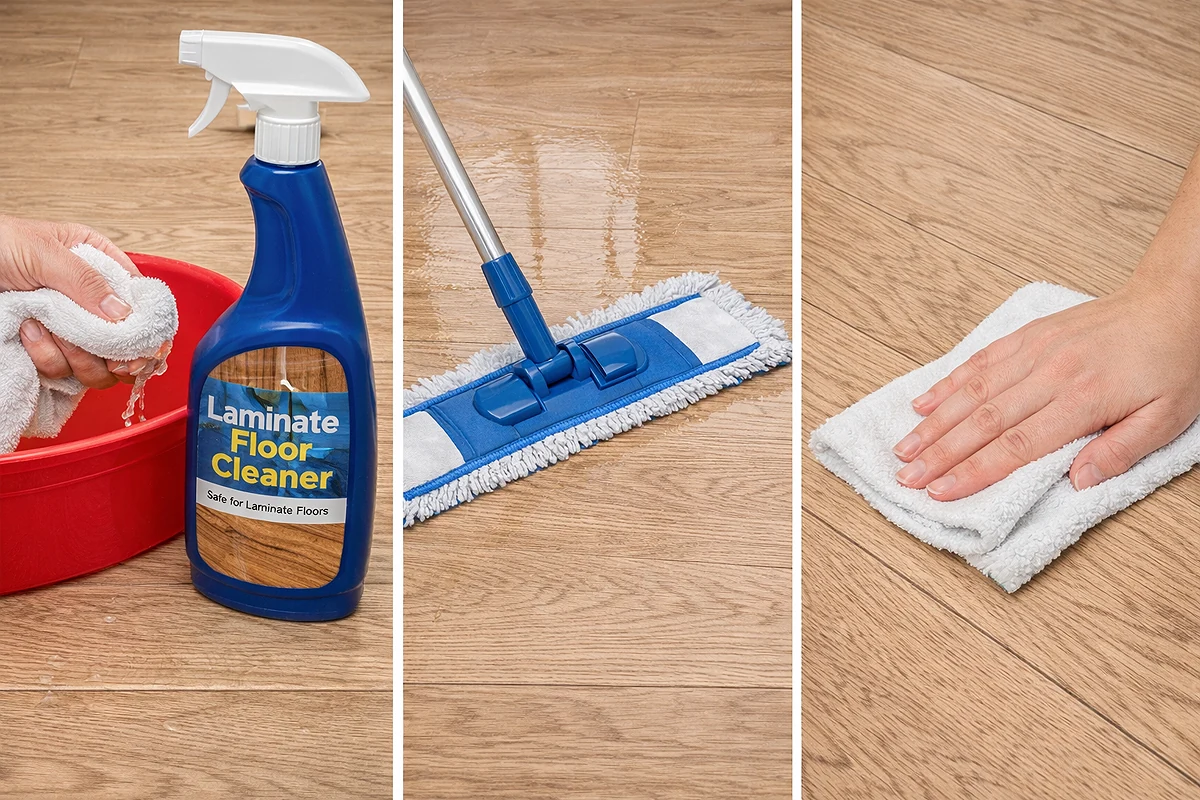
Even with regular sweeping, you'll want to deep clean your laminate floors periodically to remove accumulations of dirt or grime. However, since laminates have a wood-based core, you must use very little water when cleaning. The safest method of doing this is to clean with products made for laminate floors. Specialised laminate floor cleaners are formulated to remove dirt without leaving streaks or residue. If you don't have a laminate cleaner, you can check out our recommended DIY solutions (mentioned above). Avoid regular floor soaps or any cleaner that isn't explicitly labelled for laminate.
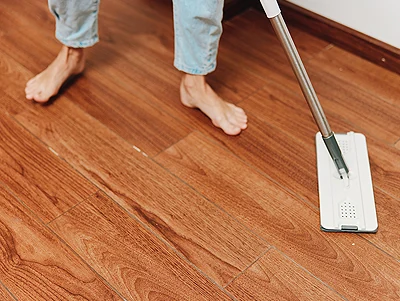
To start with, use a slightly damp mop or a microfibre floor pad; never use a soaking wet mop, as too much water can cause the planks to swell, warp or fade. Wring out your mop or cloth thoroughly before it touches the floor, then gently mop the floor in sections, avoiding any standing water. For large areas, it's better to work in small zones and rinse your mop frequently rather than flooding the floor.
After damp mopping, go over the floor with a clean, dry mop or towel to pick up all remaining moisture. The floor should dry quickly, within minutes. Make sure you dry any wet patches you notice by hand. This ensures that no water is left to seep into joints or cause damage.
By deep cleaning with a light touch and the right products, you will remove grime without harming your laminate floor.
Do's and Don'ts while Cleaning your Laminate Floors

Do's
- Use doormats and rugs to catch dirt and moisture before it reaches the laminate.
- Attach felt pads to furniture so they don't scratch the laminate when moved.
- Protect your laminates from sunlight, as it can fade the flooring over time.
- Control indoor humidity, as laminate, like any wood-based product, can expand or contract slightly with humidity changes.
Don'ts
- Don't use too much water, as soaking the floor can lead to swelling, warping or separation of the planks.
- Don't use steam cleaners on laminate, as it can force moisture into the seams and damage the core layers.
- Don't use steel wool, abrasive scrub pads or gritty cleaners like scouring powder. These will gouge and dampen the laminate's protective finish.
- Make sure not to scrape heavy appliances and furniture on your laminate floors.
Conclusion
Laminate floors can stay beautiful for years with minimal effort, as long as you clean and care for them properly. To recap, maintain a regular cleaning schedule, dust mop or vacuum frequently to remove grit, and do a damp mop deep cleaning occasionally. Also, take care of the spills right away with gentle methods so as not to damage your floors.
Remember that laminate flooring, whether in a cosy home or a busy commercial space, will reward gentle care with long-lasting durability and shine. By following these tips and avoiding common mistakes, you will keep your laminate floors clean, pristine, and welcoming for years to come.
Related Articles

Category
Doors & WindowsPosted On
13th January 2025


