Hardwood floors are a durable and popular flooring choice made from natural wood. Available in multiple variations, these floorings are quite sturdy and dependable when compared to other alternatives.
The beauty of hardwood floors cannot be denied. But this beauty can be easily tarred with stains if you don't know how to maintain it. These floors are easy to look after, but prompt and correct action makes sure that it lasts for a long time. This guide will help you preserve and take good care of your hardwood floors.
Common Types of Stains:
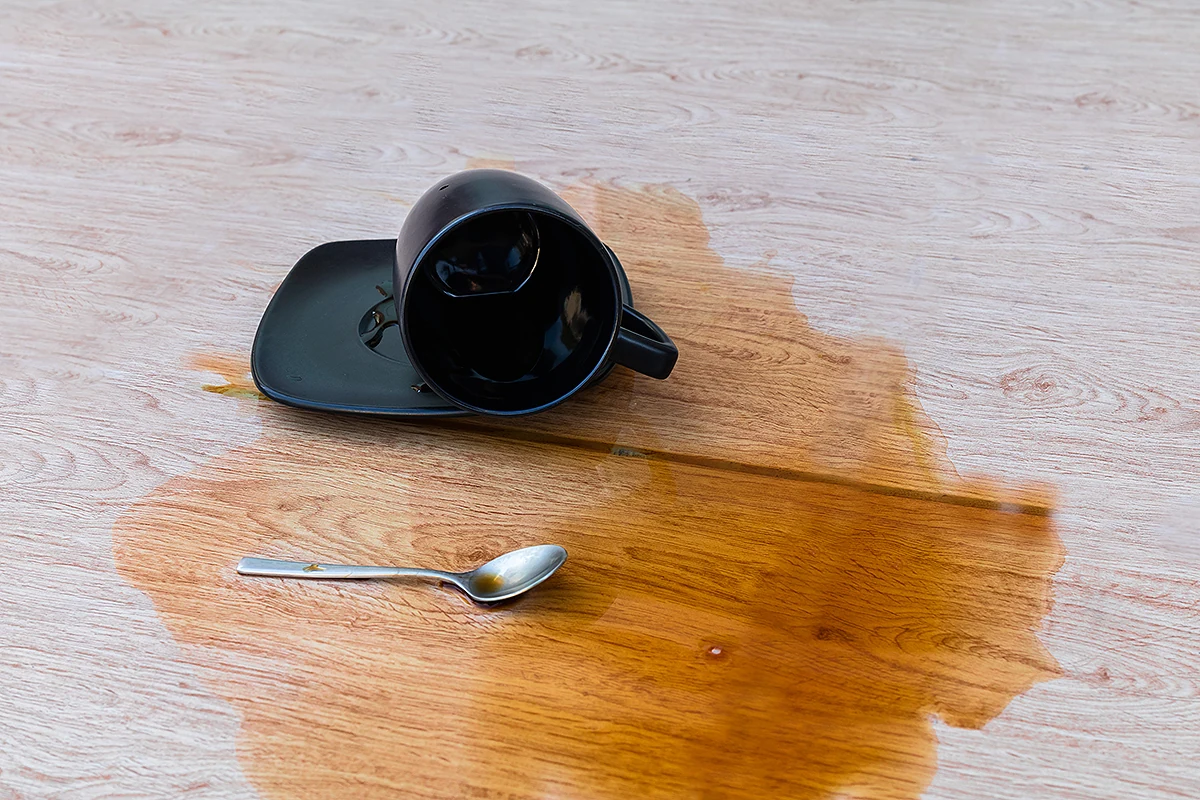
- Moisture/Water Damage - White rings around a blot suggest surface moisture damage. However, dark black spots can mean that water has soaked into the wood.
- Pet Urine - Dark black or brown spots with an ammonia odour indicate it's a stain left by pet urine. These are very acidic and can seep deep into the wood.
- Food & Drinks - Wine, juice and coffee spills leave brown/red-black stains if not cleaned immediately.
- Ink/Dye - Markers and pens leave concentrated black spots that may penetrate your finish.
- Finishing Issues - Using the wrong finish or leftover iron in wood can cause blotchy black patches as wood tannins oxidise.
Preventing Stains
It is much easier to prevent stains than to try to clean them up when you discover them. By providing good care quickly and frequently to your floors will help eliminate difficult to remove stains in the future. Here are some effective preventative actions that you can take:
- Use Protectors - Use mats/rugs in high risk areas such as doorways and in pet areas. Furniture pads under table & furniture legs can help with preventing damage caused by dirt and spills getting into wood.
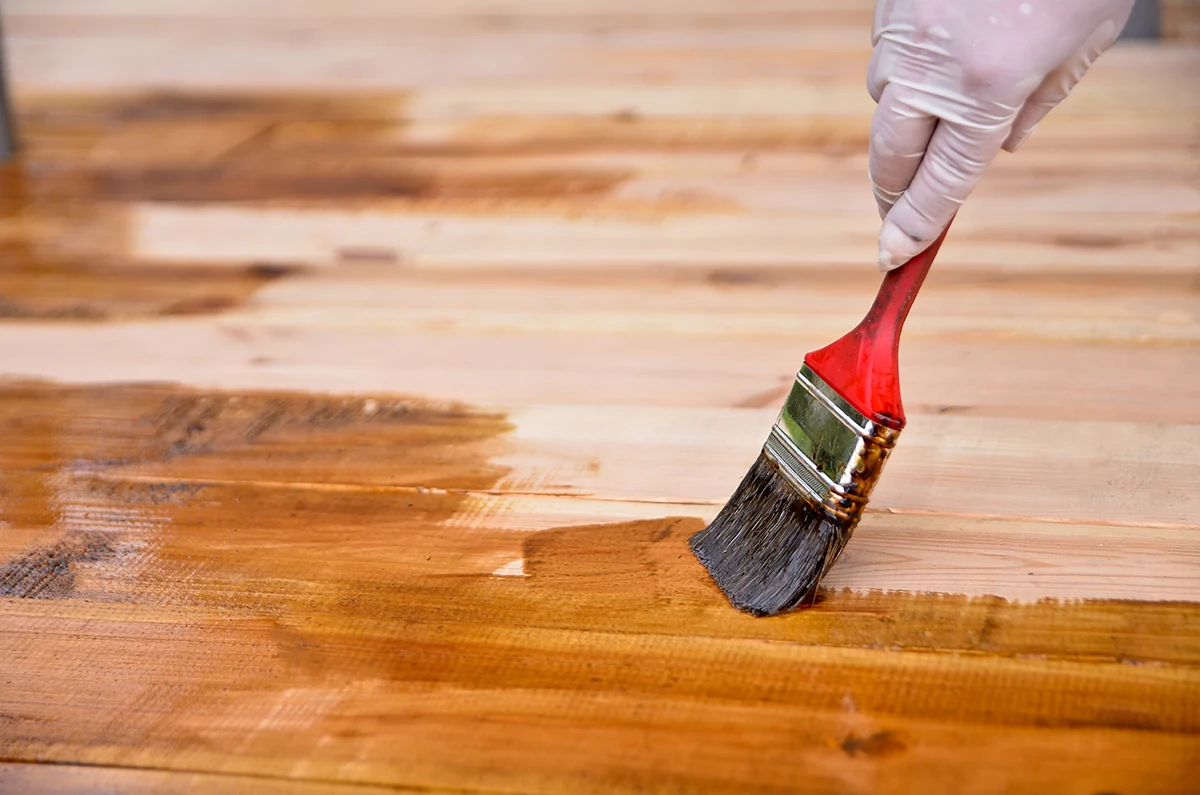
- Maintain its finish - Apply and maintain a high-quality protective finish like varnish, oil or sealant suited to your floor, which makes cleaning easier. You can reapply finish if it starts wearing off.
- Control Humidity - Keep your floors dry. Don't let water sit on wood and avoid using wood in very humid areas like bathroom. Proper ventilation helps prevent mould.
- Regular Cleaning - Sweep or vacuum to remove dirt which can trap moisture. Clean your wooden floors with a damp (not wet), pH-neutral wood cleaner.
Cleaning Spills Immediately
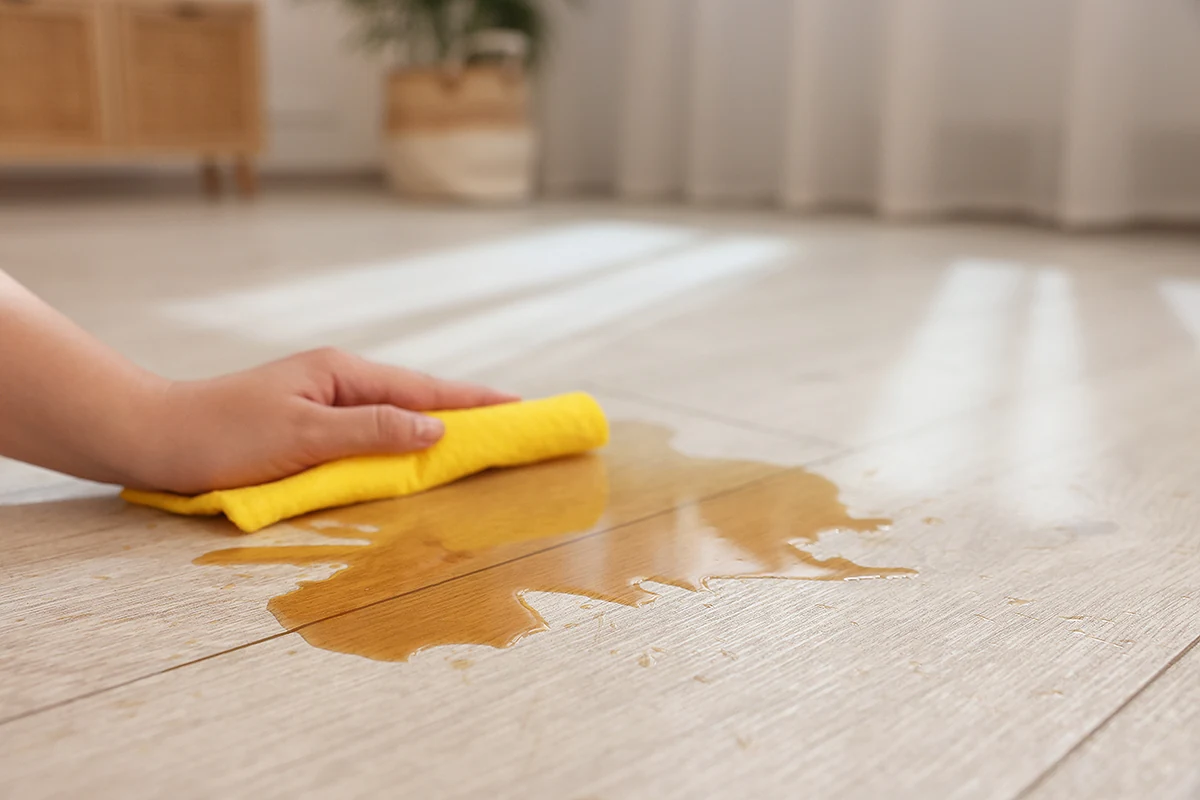
One of the most effective ways to ensure your wooden floors remain spotless is by cleaning your spills as soon as it happens. Do this by using a clean, absorbent cloth or paper towel to press on the spill and soak it up. Wood is porous, so quick blotting prevents a surface spill from becoming a deep stain. Also, make sure to avoid scrubbing, since it spreads the stain.
After blotting, apply a mild cleaning solution according to the stain (see Cleaning Methods & Products section below). Squeeze out excess liquid so you don't flood the area. Wipe the spot dry right away once cleaned, as the remaining moisture can cause warping or lead to new stains.
Common Cleaning Methods & Products
Make sure not to go for the harsh chemicals first and use the gentlest effective method to avoid damaging your floors. Test any method in a hidden spot first to see if it might cause some damage or disfigure the floor. Now, let's see some of the common cleaning methods and products:
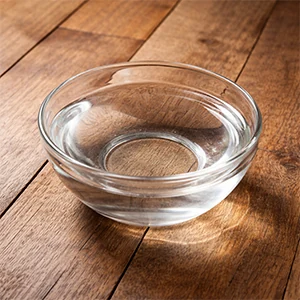
Diluted White Vinegar White vinegar cuts grime really well, but make sure to never use it undiluted, as undiluted vinegar can ruin polyurethane finishes. To use it efficiently, mix about 1 cup of vinegar with around 10-16 cups of warm water. Then use a clean cloth to absorb the mixture and lightly dab the stains. You should be able to see its effects on stains almost immediately. After that, wipe the spot dry with a clean rag as even diluted vinegar can cause some damage if left as is.
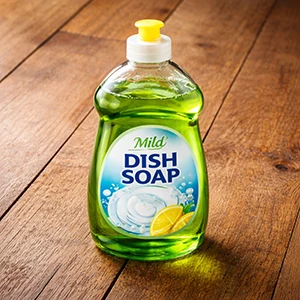
Mild Dish Soap Combine a few drops of pH neutral dish soap to water and gently rub the area with heavy stains or dirt. After doing this, use a damp cloth to wipe away the residue. Then allow it dry. Avoid using dish soaps that contain oils, as they may leave a film.
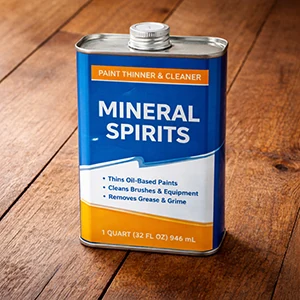
Mineral Spirits Mineral spirits are perfect to get rid of an oil-based or stubborn stain, like a crayon or grease. To begin with, use a soft cloth with a small amount of mineral spirits to gently rub the stained area. Then use a slightly wet cloth to wipe the stained area and let it dry. Make sure you are in a well-ventilated area when using solvents.
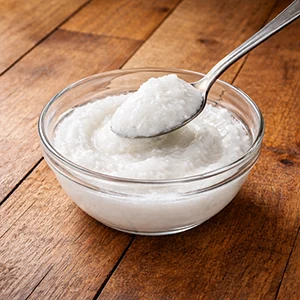
Baking Soda Paste To remove tough, bad-smelling stains like pet urine, food stains or mould, use a paste of baking soda by mixing it with water. Use rubber gloves before making this mixture. Apply this paste on the dirty floor and let it dry for a few hours, then wipe away. Baking soda also absorbs odour, making it perfect for more disgusting stains.
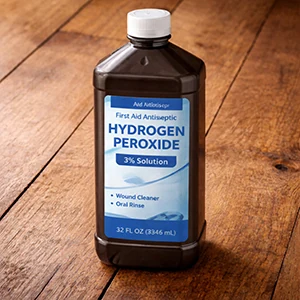
Hydrogen Peroxide Hydrogen peroxide is one of the strongest stain removers, and just like the baking soda paste, it can remove odours too, making it perfect for smelly blotches and smears. Just soak a cloth in hydrogen peroxide and lay it over the stain. Then cover it with a plastic wrap and leave it for at least 8 hours. Make sure to check it now and then. After some time, remove the cloth and let the spot dry, after which the stains should disappear. Just repeat the process if they don't.
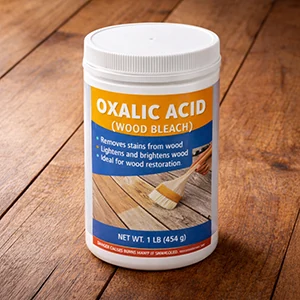
Oxalic Acid The powerful and wood-friendly Oxalic acid is perfect for water, iron and tannin stains. You can easily find these or other wood bleaches in hardware stores. Use it by mixing a paste with hot water, then brush it onto a stain. Then let it sit for a few hours, after which you can rinse the spot thoroughly. While working with oxalic acid, make sure you use gloves and work in a properly ventilated area.
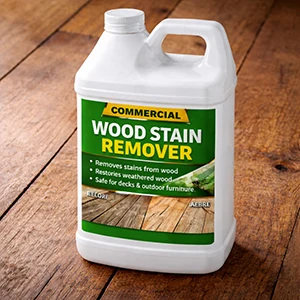
Commercial Wood Stain Removers Commercial wood floor cleaners are made to lift dark stains from your floors without stripping the finish. Make sure you follow the instructions on the back of these removers carefully.
Do's and Don'ts

Do's
- Do test it first. Always try any cleaner on a hidden area to check for any adverse effects.
- Do clean your spills as soon as you notice them
- Do use protective gear like gloves and eye protection when using bleach, oxalic acid or other strong chemicals.
- Do use soft tools like microfibre cloths, soft nylon brushes and sponges while maintaining your hardwood floors.
Don'ts
- Don't scrub your hardwood floors with abrasives like steel wool, scouring pads or sandpaper.
- Harsh chemicals like ammonia-based or all-purpose cleaners must be avoided.
- Don't use excessive water on your hardwood floors, as it can cause swelling and warping.
- Don't use steam mops or cleaners as they can ruin wooden floors.
Requiring Professional Help
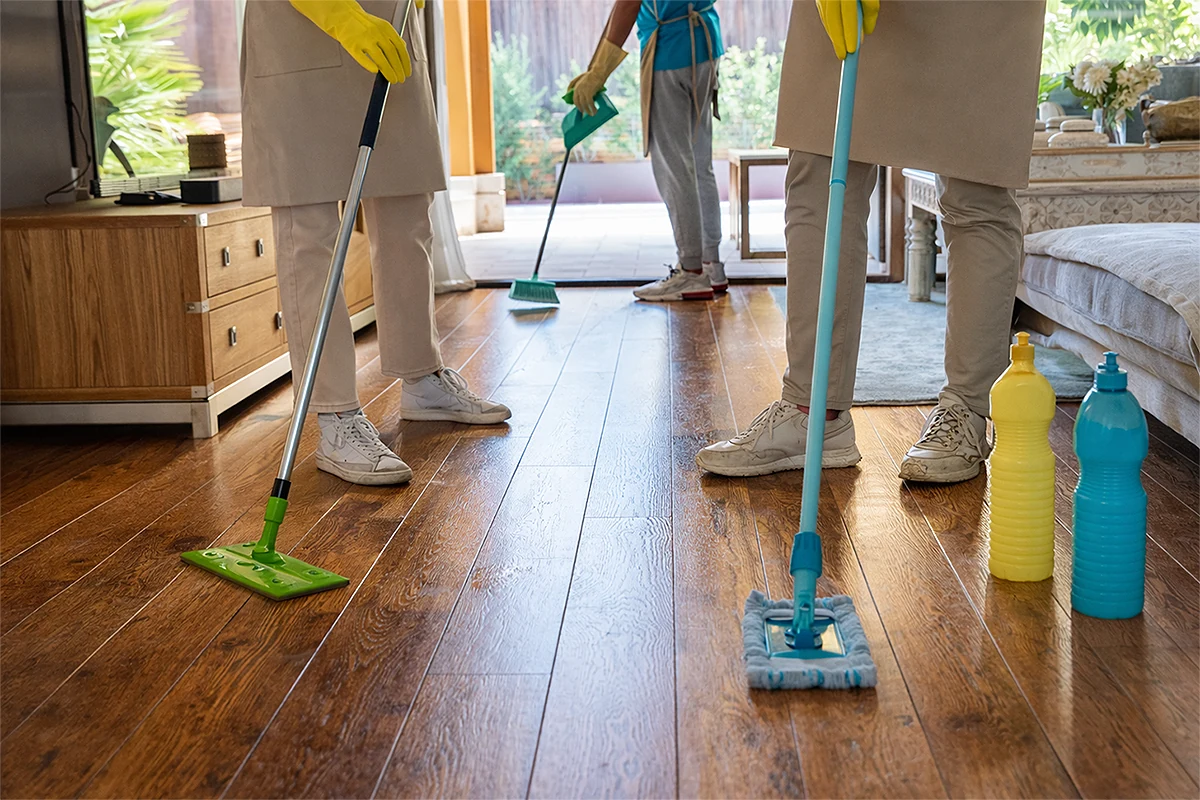
Sometimes, it could happen that you notice a stain a bit too late, and now it has seeped into your wooden floor and turned it black. In this case, sanding your floor down to fresh wood is the only option. After sanding the wood down, the affected boards can be re-stained and sealed so they blend in. In some cases, it might be best to replace the stained boards entirely.
In such situations where the stain is spread over a wide area, is set-in or if DIY methods may harm your floor, we would suggest hiring a professional. You might need to spend more on these professionals as compared to doing the repair yourselves, but they have the tools and finishes to match the colour and re-coat your floors for a seamless repair.
Related Articles